
PDE4 HAS LONG SHOWN PROMISE IN CNS DISEASE. TOLERABILITY HAS HELD IT BACK.


Making PDE4 work in the brain… finally.
We are developing brain-penetrant small molecules designed to combine PDE4 biology with the therapeutic window required for treatment of multiple CNS disease.
PDE4 INHIBITION KEPT HITTING THE SAME WALL: TOLERABILITY.
PDE4 inhibition has long been limited by a narrow therapeutic window. Potent activity came with nausea, vomiting, and other dose-limiting effects—making chronic CNS treatment especially difficult. In two independent preclinical tolerability models, GR1 showed substantially improved tolerability versus benchmark PDE4 inhibitors.
RAT BEHAVIORAL STUDY
D50 (mg/kg)
GR1 did not show pica behavior even at the highest dose tested — a >60x improvement over roflumilast.
(1) Davis TG, et al. J Pharmacol Exp Ther. 2009 Sep:330 (3) 922-31
FERRET EMESIS STUDY
Max non-emetic dose (mg/kg)
Highest tested dose without emesis in ferrets. GR1: 19.2 mg/kg | Roflumilast: 0.1 mg/kg
1. Salmon M, et al. Pharmacol Res Perspect. 2014 Aug;2(4):e00046.
2. Lackovic J, et al. Front. Pharmacol. 16:1720327.
BOTH HALVES OF THE MECHANISM. NOT JUST ONE.
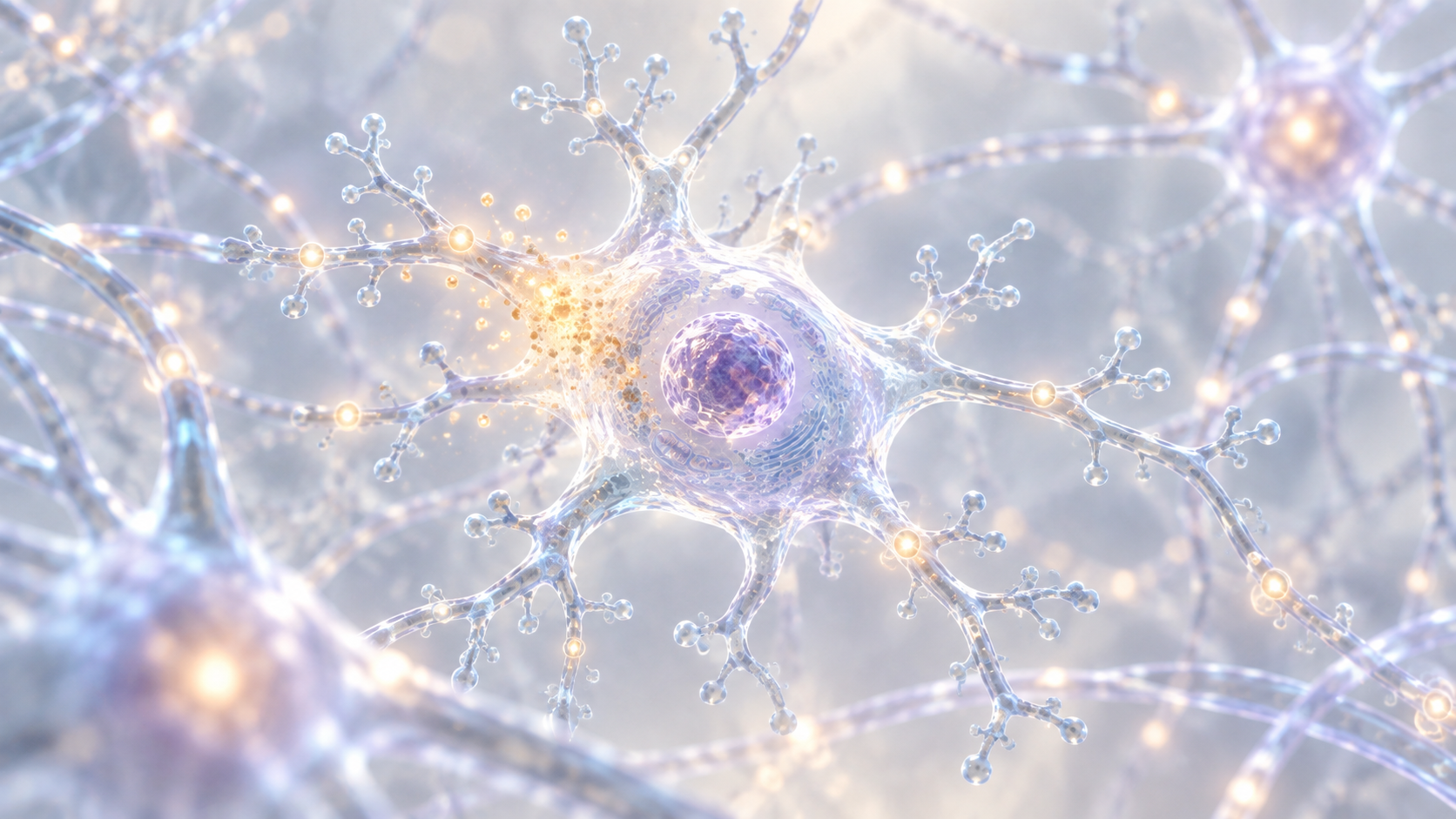
PDE4 comes in four subtypes. Two matter here – B and D. PDE4B sits mostly in immune cells and drives the anti-inflammatory effects. PDE4D sits in neurons. Blocking it improves neuronal health, but it is the subtype most associated with nausea and vomiting. Most next-generation programs responded by designing PDE4D out of the molecule.
We didn't.

PDE4B
PDE4B sits at the center of immune cell signaling. Inhibiting it dials down the aberrant inflammation implicated in several CNS diseases — including the neuroinflammation seen in FRDA and TBI — without shutting immune function off altogether.

PDE4D
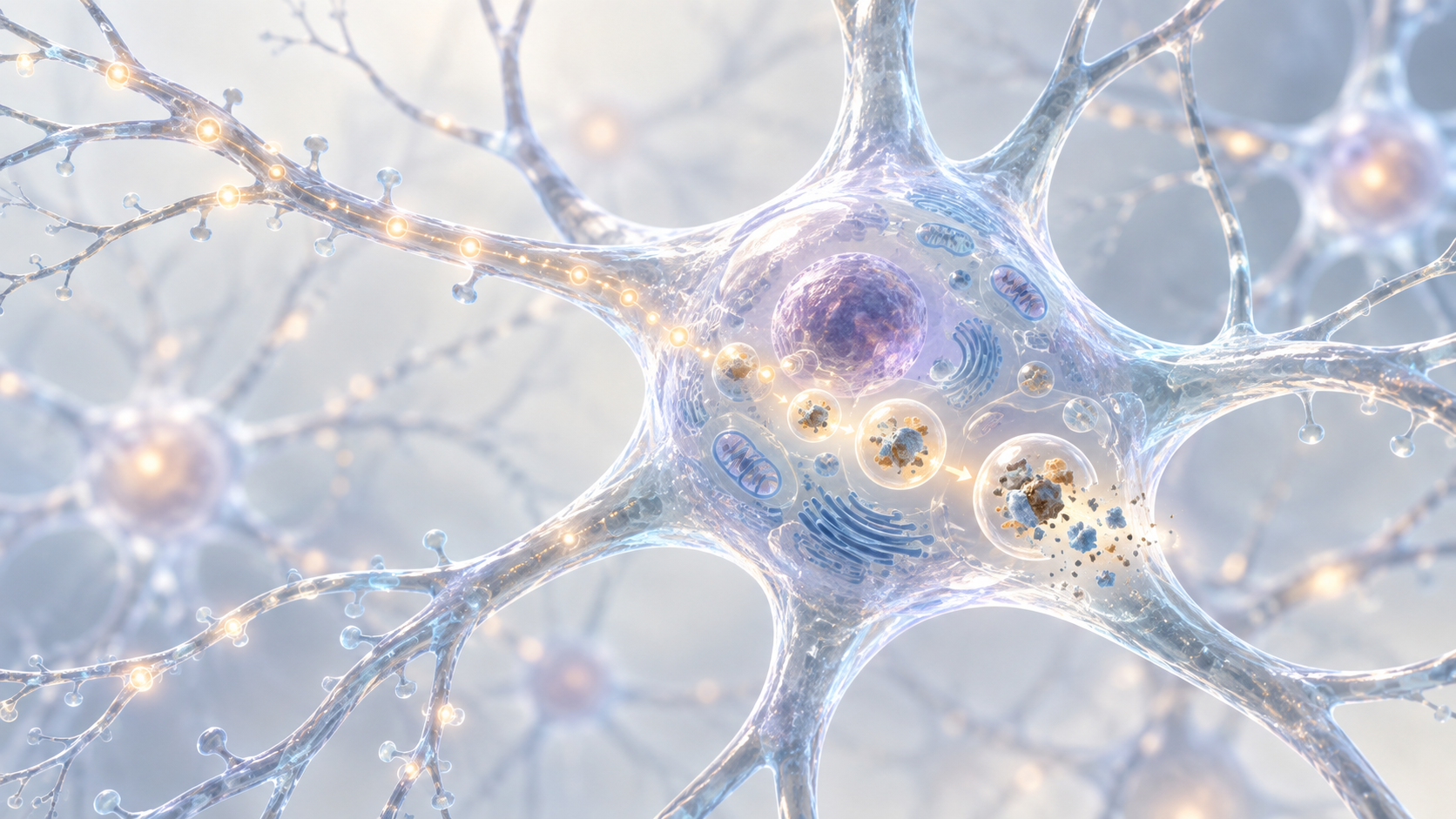
PDE4D is where much of the CNS benefit lives. Inhibiting it triggers a signaling cascade that supports neuronal health and recovery. That mechanism is central to why we're pursuing FRDA and Batten disease, both conditions tied to failures in that same cleanup pathway.
DIFFERENT DISEASES. CONSISTENT BIOLOGICAL ACTIVITY.
GR1 has demonstrated efficacy in preclinical models of traumatic brain injury and substance use disorder, supporting the therapeutic potential of the platform across diverse CNS settings.
TRAUMATIC BRAIN INJURY
Days of treatment
Recovery after injury
GR1 accelerated neurological recovery after TBI, achieving a 25% improvement by Day 7 versus Day 14 with vehicle treatment.
METHAMPHETAMINE USE DISORDER
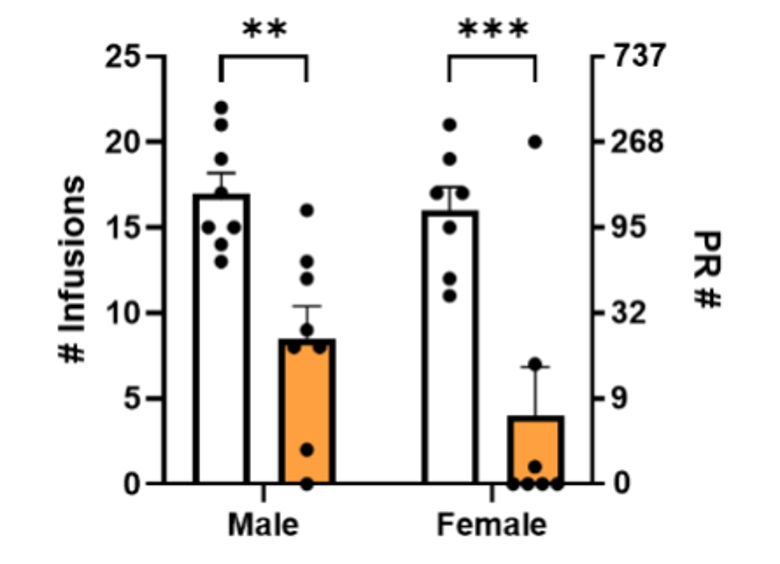
Oral GR1 (0.5 mg/kg, orange bars) significantly reduced methamphetamine self-administration in males (~53%) and females (~75%), over vehicle control (white bars).
THE SCIENCE DIDN'T START WITH US
Discovered at UNMC
The molecule family was discovered by Prof. Corey Hopkins, at University of Nebraska Medical Center.
Read the original research →In-licensed by Fannin
The molecule was in-licensed by Fannin in 2020, where it was initially developed prior to being spun-out.
Read the story →Academic collaborations
The science was developed by multiple collaborators, including at Temple University, Sanford Health, University of Texas, and others.
Meet some of them →
AND WE'RE NOT THE ONLY ONES WHO BELIEVED IN IT.
Funded by NIDA
Development was supported by two grants awarded from the National Institute on Drug Abuse.
Grant Announcement →Incorporated in ATDP

THE FAST PATH TO PATIENTS.
Goldenrod is targeting Friedreich’s ataxia (FA), an orphan CNS disease, as the initial clinical indication. Orphan CNS diseases carry a regulatory advantage that's often described as speed. What that speed actually buys is fewer patients, fewer dollars, and less time to a clear answer.

WHERE DO YOU FIT INTO THIS STORY?

PARTNER WITH US
Looking for a research collaboration, a license, or a co-development deal? Let's talk about where this fits!

INVEST IN US
We're raising a Series Seed to take the lead molecule through IND-enabling studies and into the clinic. See where the opportunity stands.

JUST CURIOUS?
Send us your questions, or ask to chat.