PDE4 inhibition works in CNS diseases.THE PROBLEM HAS ALWAYS BEEN THE THERAPEUTIC WINDOW.

Making PDE4 work in the brain… finally.
We are developing brain-penetrant small molecules designed to combine PDE4 biology with the therapeutic window required for treatment of multiple CNS disease

EVERY PDE4 INHIBITOR RAN INTO THE SAME WALL.
Rolipram, roflumilast, and cilomilast all triggered dose-limiting side effects at low doses in preclinical models - one of the reason that PDE4 inhibitors never made it into chronic CNS use.
Across two independent tolerability models, 11h cleared the bar earlier approved PDE4 inhibitors failed.
RAT BEHAVIORAL STUDY
D50 (mg/kg)
11h did not show pica behavior even at the highest dose tested — a >60x improvement over roflumilast.
(1) Davis TG, et al. J Pharmacol Exp Ther. 2009 Sep:330 (3) 922-31
FERRET EMESIS STUDY
Max non-emetic dose (mg/kg)
11h reached its highest tested dose without triggering vomiting — roughly 6x the max tolerated dose of apremilast, the next-best comparator.
1. Salmon M, et al. Pharmacol Res Perspect. 2014 Aug;2(4):e00046.
2. M Motasim Billah, et al. J Pharmacol Exp Ther. 2002 Jul;302(1):127-37
3. Kubota-Ishida N, et al. Eur J Pharmacol. 2023 Nov 22;962:176202.
4. Lackovic J, et al. Front. Pharmacol. 16:1720327.
BOTH HALVES OF THE MECHANISM. NOT JUST ONE.
PDE4 comes in four subtypes. Two matter here – B and D.
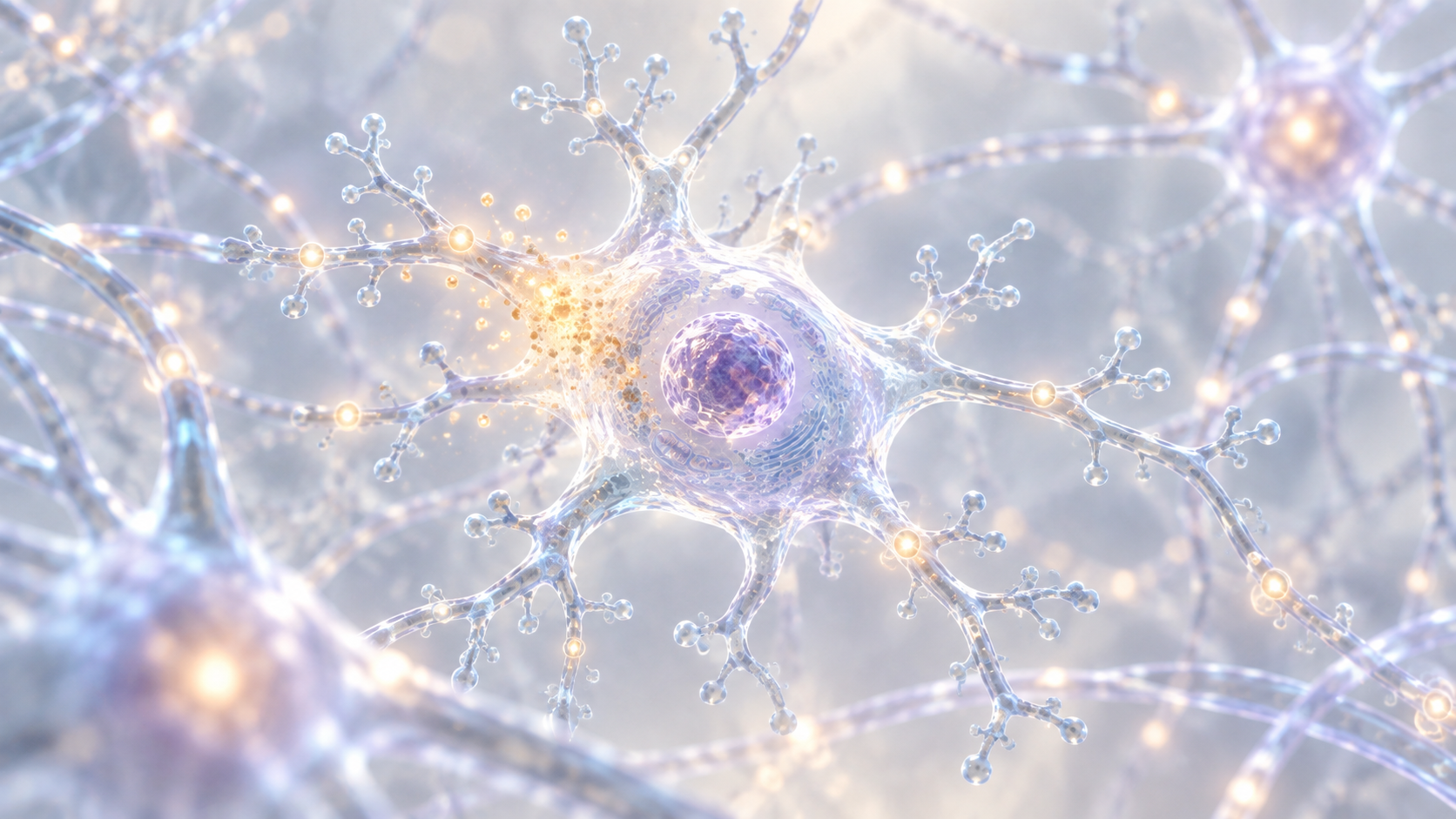
PDE4B sits mostly in immune cells and drives the anti-inflammatory effects. PDE4D sits in neurons. Blocking it improves neuronal health, but it is the subtype most associated with the nausea and vomiting.
Most next-generation programs responded by designing PDE4D out of the molecule.
We didn't.

PDE4B
PDE4B sits at the center of immune cell signaling. Inhibiting it dials down the aberrant inflammation implicated in several CNS diseases — including the neuroinflammation seen in FRDA and TBI — without shutting immune function off altogether.

PDE4D
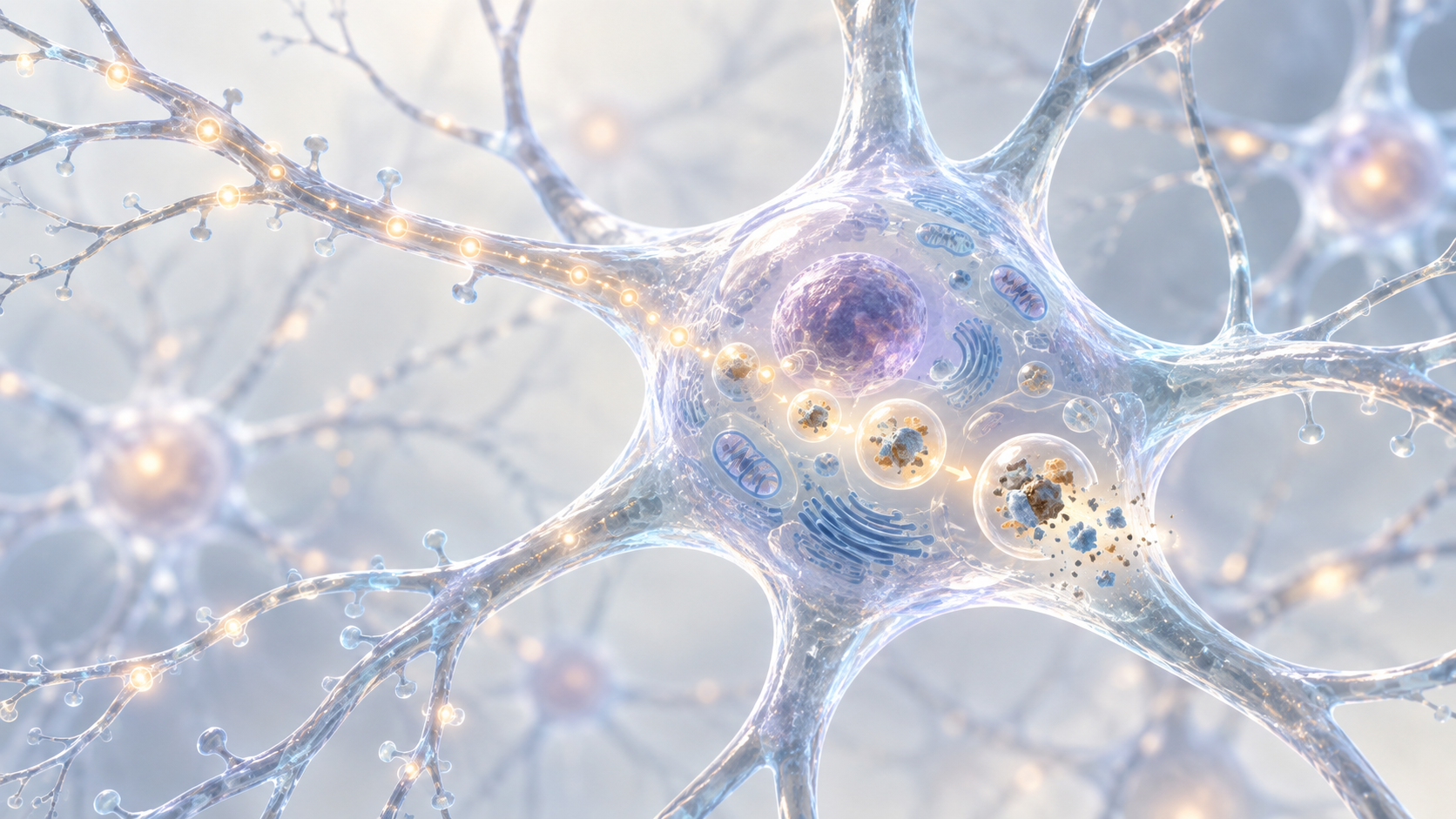
PDE4D is where much of the CNS benefit lives. Inhibiting it triggers a signaling cascade that supports neuronal health and recovery. That mechanism is central to why we're pursuing FRDA and Batten disease, both conditions tied to failures in that same cleanup pathway.
PROOF THAT THE BIOLOGY CHANGES OUTCOMES.
Our lead molecule has now shown effectiveness in many different preclinical disease models. For e.g., it leads to faster functional recovery after traumatic brain injury in rats, and reduces drug-seeking behavior in mice with methamphetamine use disorder. Different diseases, same molecule, same direction of effect.
TRAUMATIC BRAIN INJURY
Days of treatment
Improvement in neurological function
Show the time course of recovery and the magnitude of separation from control. Label histopathology as pending until the complete dataset supports publication-ready conclusions.
METHAMPHETAMINE USE DISORDER
Infusions
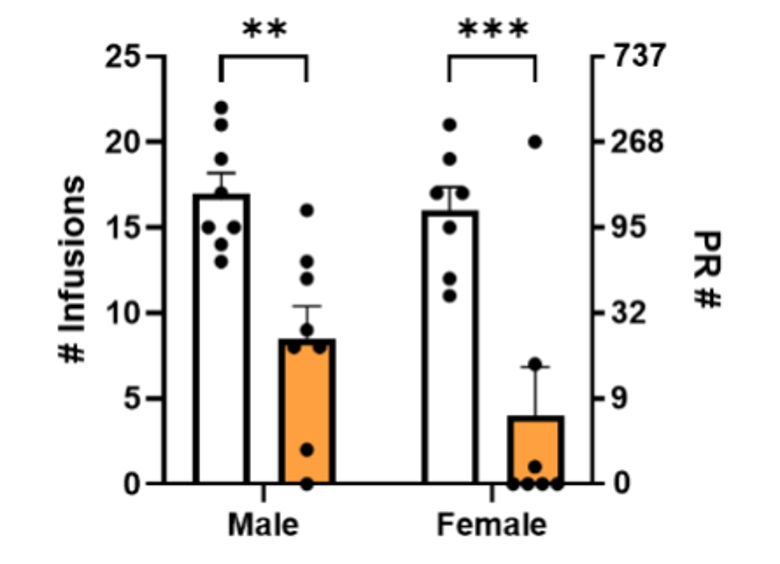
Following stable acquisition of methamphetamine self-administration (comparable between sexes and treatment groups; N = 7–8/group), oral 11h (0.5 mg/kg) administered 30 min before testing significantly reduced PR responding relative to vehicle in both male (~17 vs. ~8 infusions; p < 0.01) and female rats (~16 vs. ~4 infusions; p < 0.001),


About Us
Goldenrod Therapeutics is a portfolio company of Fannin based in Houston, Texas. We are committed to developing a next-generation phosphodiesterase 4 (PDE4) inhibitor designed to address serious neurological conditions, including Friedreich’s ataxia, other neurodegenerative diseases, substance use disorders (SUDs), and pain.
Earlier PDE4 inhibitors have been limited by side effects and tolerability challenges. This program is designed to overcome those limitations while achieving meaningful brain exposure, enabling a broader therapeutic window.
This approach has the potential to complement existing standards of care and expand treatment options for millions of patients with significant unmet medical needs worldwide.

Innovation
We are developing best-in-class small molecule drugs that are next-generation selective inhibitors of PDE4 enzymes.

Oral, brain-optimized small molecules designed for high CNS exposure and reliable target engagement.

Highly selective PDE4 inhibition for precise modulation of a validated neuroinflammatory pathway.

Drives both inflammation control and neurorestoration, addressing disease biology—not just symptoms.

Engineered for tolerability, avoiding the nausea and emesis that limited earlier PDE4 inhibitors.
News and Publications